Choosing the Right Paper Stock for Your Print Project
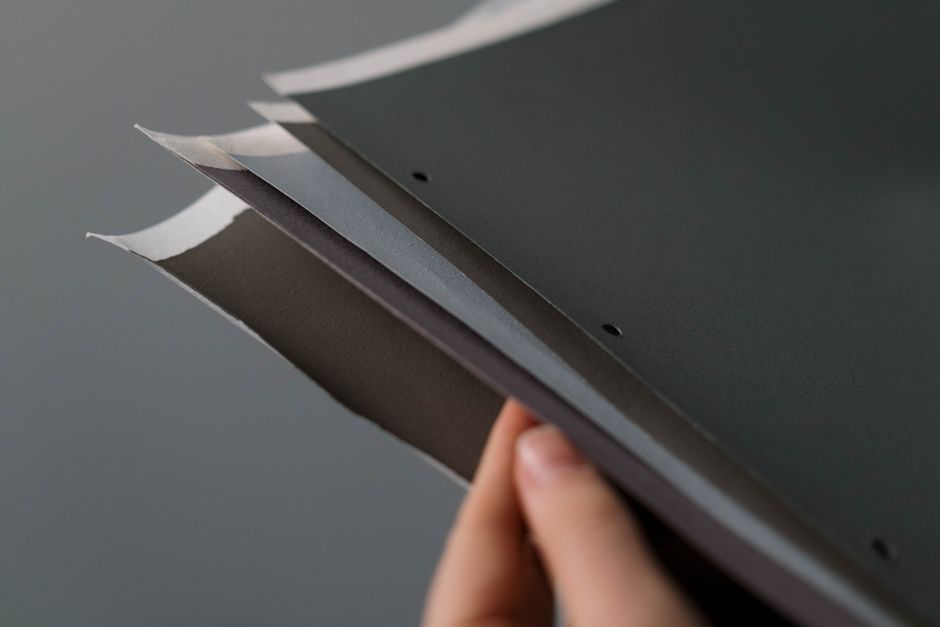
When you're planning a print project, the paper you choose is just as important as the design itself. Many people overlook this decision, but the right paper stock can transform how your materials feel and perform. Let's explore what you need to know.
Paper Weight Explained
Paper weight in the UK is measured in grams per square metre (gsm). This can be confusing because heavier doesn't always mean better – it depends on your project. Business cards typically use 250-350gsm card stock, which feels substantial and professional. Letterheads work well at 100-120gsm, whilst brochures often sit at 150-200gsm. The weight you choose affects how your materials feel in someone's hand, which influences their perception of your brand.
Paper Finishes
The finish of your paper changes how colours appear and how the material handles. Glossy finishes are vibrant and eye-catching, perfect for marketing materials and photographs. They're easy to clean but can show fingerprints. Matte finishes look more sophisticated and are easier to read, making them ideal for business documents and text-heavy materials. Silk finishes offer a middle ground – they have a subtle sheen that's both professional and visually interesting.
Brightness and Opacity
Brighter paper makes colours pop and text sharper, but very bright white can feel harsh. Most quality papers sit around 80-90% brightness. Opacity matters if you're printing double-sided – low opacity means ink shows through from the back. For business cards and promotional materials, higher opacity ensures a clean, professional appearance.
Environmental Considerations
If sustainability matters to your brand, consider FSC-certified or recycled paper options. These are increasingly popular with UK businesses and customers. Recycled papers have come a long way – modern recycled stock looks and feels excellent whilst reducing environmental impact.
Budget Versus Quality
Premium paper costs more, but it's worth considering the context. A cheap flyer might work fine on standard stock, but business cards represent your brand every single day. Investing in better paper here pays dividends. Similarly, if you're printing something your customers will keep and reference regularly, better quality paper justifies the cost.
Getting Samples
Before committing to a large print run, always request paper samples. Seeing and feeling the actual stock with your design printed on it removes guesswork. Most print providers, including Brook Print, can supply samples so you make the right choice for your specific project.